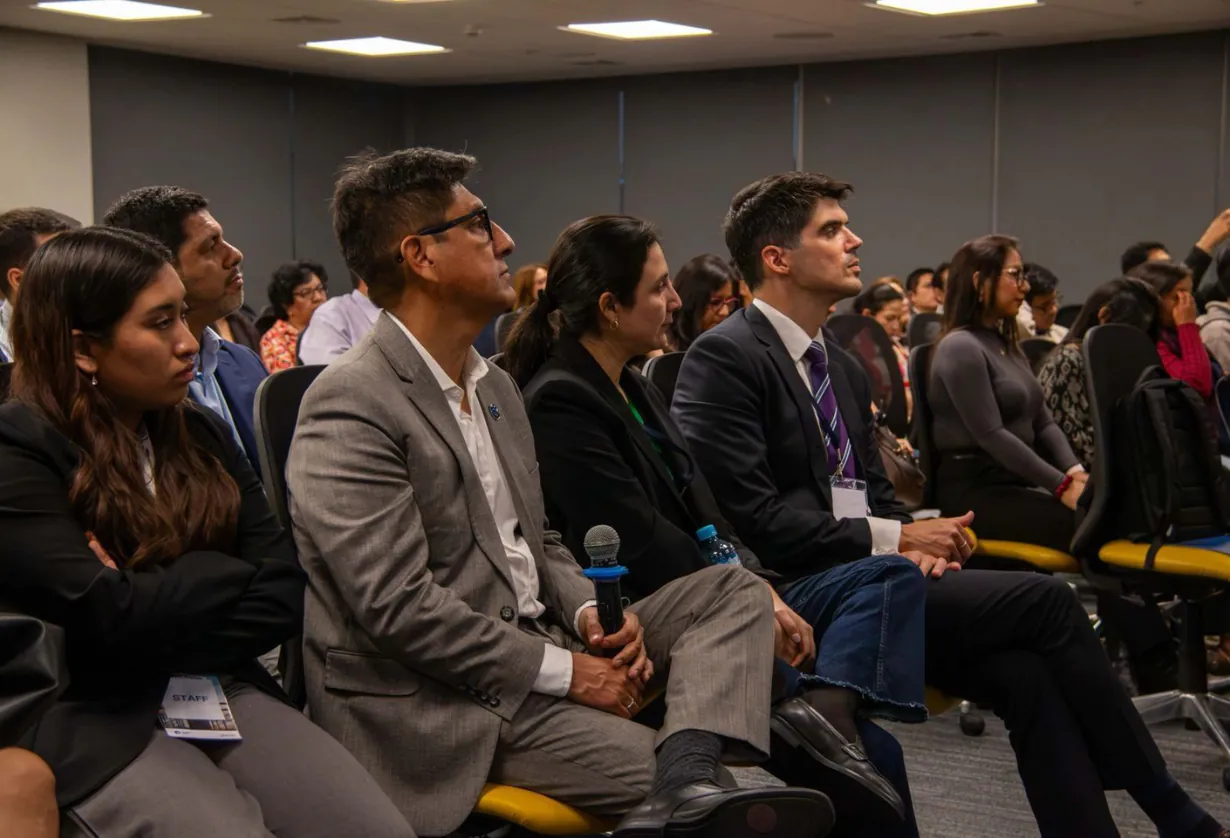
That’s the idea behind “From Contract Data to Final Account: Where NEC contracts go wrong”, a 35-minute session at the Leeds NEC People Conference on 24 November. It’s run by Brad Cahill, Head of Commercial at Digital Beehive, and Glenn Hide, Director of GMH Planning and the man behind the NEC People LinkedIn group.
Expect hard numbers from Glenn’s NEC People State of the Industry Survey 2026, and at least one show of hands you’ll be slightly nervous about.
Some disputes are signed, not started
We tend to blame disputes on an early warning that went wrong. Often the trouble is baked in at signature: Contract Data copied from the last job, key dates nobody actually decided, a Scope that argues with itself, and Z clauses nobody re-read.
On that last point, survey respondents reckon only about a third of Z clauses earn their place. “Volume of Z clauses” was also voted one of the worst things about NEC.
The Scope question
Survey respondents put compensation events at nearly 30% of the tendered Prices on average, and top of the list is 60.1(1): an instruction changing the Scope. That’s a lot of money riding on one clause.
So Brad will put a question to the room: how many of those were written in at signature? Ambiguous wording, a Scope that contradicts the drawings, a Scope out of step with the Contract Data. Every one is a compensation event waiting to happen, and every one could have been settled in a comment before ground was broken.
In NEC, silence is an answer
Then Glenn gets to the bit everyone remembers. Submit a quotation, hear nothing for two weeks, notify the failure, hear nothing for two more, and it’s treated as accepted. On a busy programme, this is rarely a tactic. It’s usually an inbox.
Silence cuts both ways, too. Contractors who sit on a notification can lose entitlement. Project Managers who sit on a reply can lose control of the outcome.
On the default periods, a compensation event should go from notification to agreed quotation in about six weeks. Over half of survey respondents say it takes two months or more. That gap is where clocks run out unnoticed, and the silence in month three becomes the final account in year three.
Spreadsheets don’t run clocks
Only about half of respondents always use a cloud-based system between Client and Contractor, and just 26% always or usually do with their supply chain. Enforcing deemed acceptance means logging the date received, knowing this contract’s period, spotting the silence, notifying the failure and counting again. Miss one step and it gets argued at adjudication, after the event.
Brad will show how digital contracts lets Client and Contractor build and price the Scope together, settling questions in a comment rather than a compensation event. The signed contract then goes straight into Contract Bee, where every clock is visible to both sides.